
News and Events
Full listing
July 13, 2026
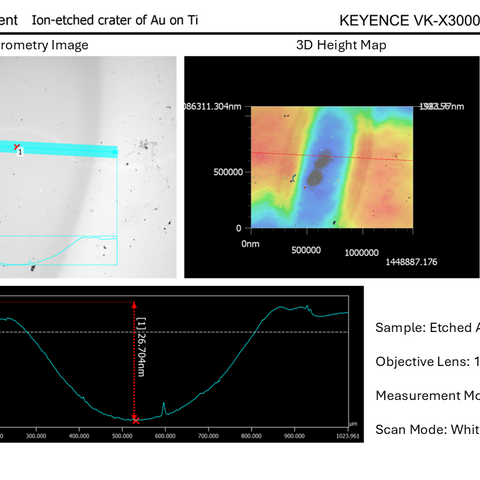
New Instrument: We now have a new Keyence profilometer that is replacing both the AlphaStep stylus profilometer and the older Keyence system. The new instrument can be found in Clark Hall, room D15. Alicia Tripp (amt342@cornell.edu) is the primary contact and Steve Kriske (kriske@cornell.edu) is the secondary contact.
July 7, 2026
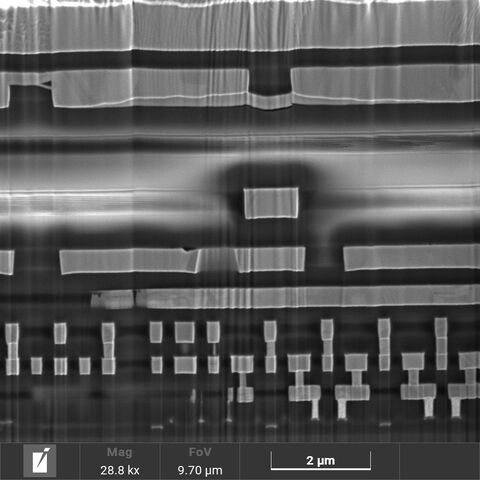
New Instrument Alert: Xeus is up and running!The Tescan Amber X Plasma FIB (PFIB) is in Physical Sciences Building (PSB), room B95. The main contact for this instrument is Phil Carubia (pmc228@cornell.edu), and the secondary contact is Malcolm (Mick) Thomas (mt57@cornell.edu).
June 16, 2026
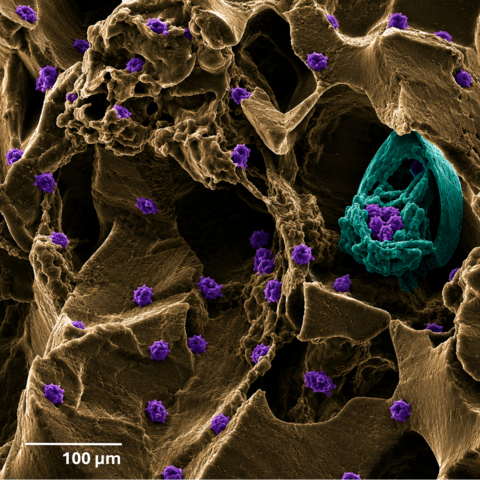
The winners of the Cornell Imaging Contest 2026 have been announced!
June 4, 2026
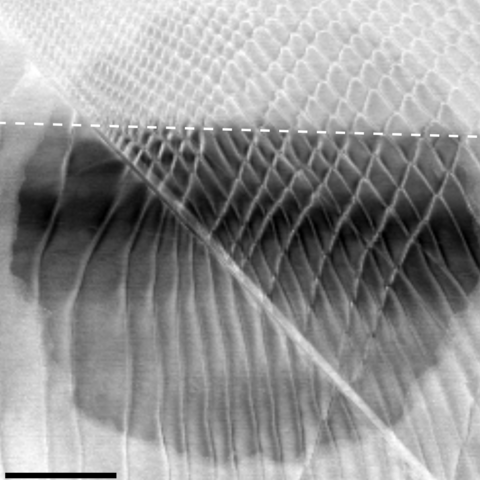
Cornell researchers have developed a new way to create moiré patterns – atomic-scale structures that can give materials unusual quantum behaviors – without relying on the difficult-to-control twisting and stacking methods traditionally used.
June 4, 2026
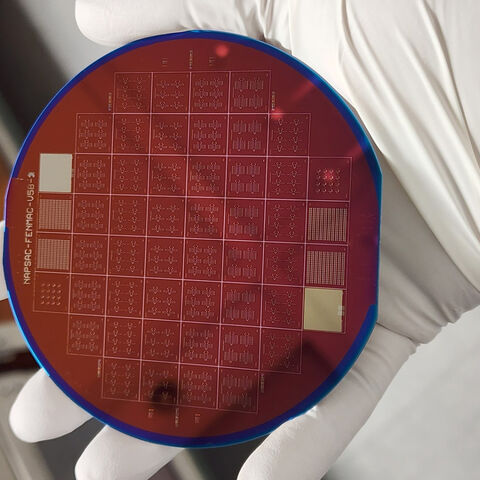
Cornell researchers have developed a new type of computing device that stores information electrically but reads it through tiny mechanical motion, an unusual approach that could open a path toward more energy-efficient hardware for artificial intelligence and scientific computing.
May 22, 2026
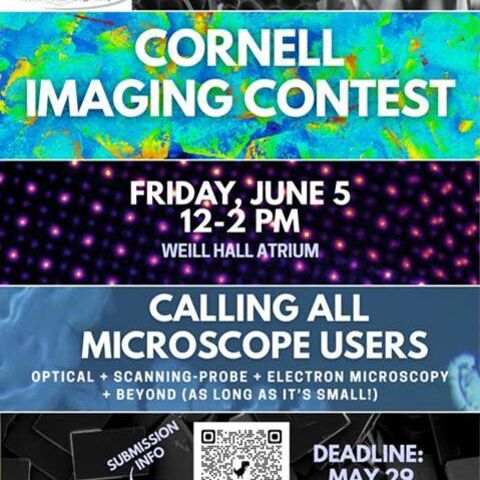
If you’ve captured a beautiful or interesting image (optical, scanning probe, electron microscopy, microCT or anything small), submit it for a chance to win prizes, be featured, and showcase your work!
March 31, 2026
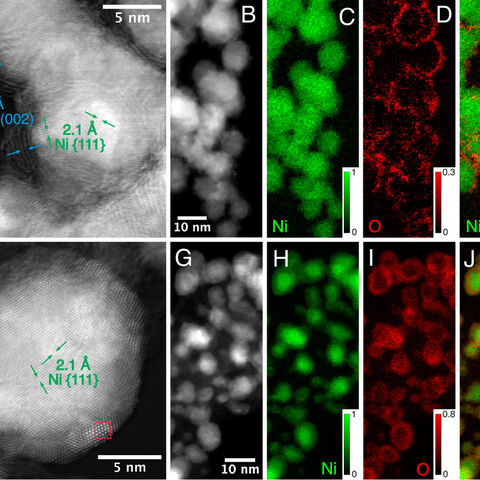
Cornell researchers developed a low-cost, high-performance fuel cell using a carbon-coated nickel catalyst, replacing expensive precious metals while surpassing DOE power density targets.
March 3, 2026
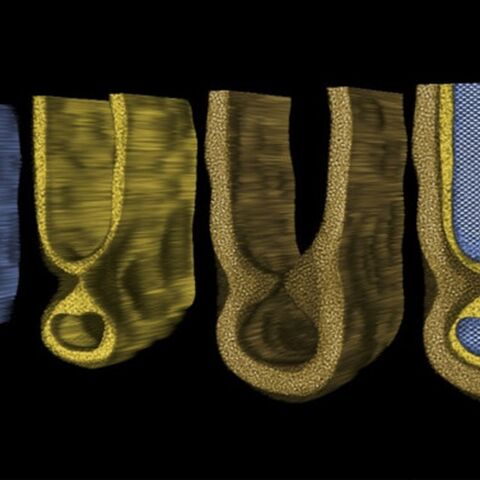
Cornell researchers have used high-resolution 3D imaging to detect, for the first time, the atomic-scale defects in computer chips that can sabotage their performance.
December 16, 2025
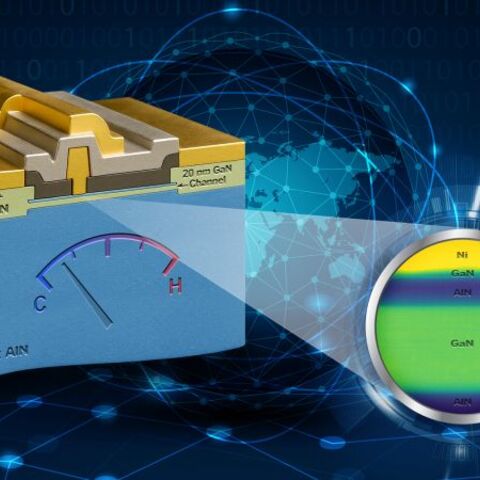
Cornell researchers have developed a new Aluminum Nitride-based transistor that could advance the performance of 5G, 6G, and radar systems while also reducing dependence on a vulnerable global supply chain.
December 15, 2025
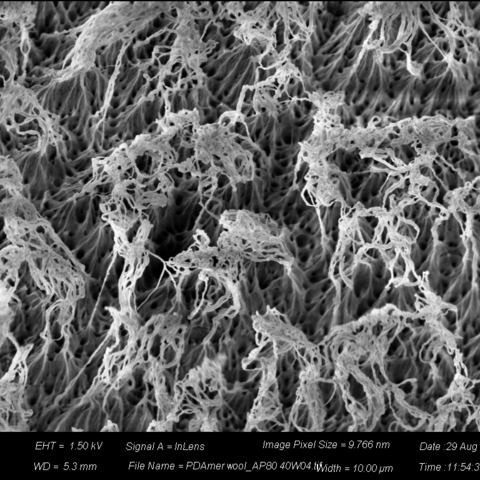
Cornell University researchers have developed the darkest "ultrablack" fabric ever reported by replicating the microscopic structure found in the feathers of the magnificent riflebird.